Humanika
150 porciento logo 150 porciento logo

Augmented and virtual reality development

At 150 Por Ciento we build AR and VR with a business goal behind it, not demos for a trade show. Try-ons that cut returns, training people remember, and brand experiences people use more than once.

From WebAR that opens in a browser to simulators for Meta Quest.

150 porciento servicios

Technologies we use

  • Unity
  • Unreal Engine
  • ARKit
  • ARCore
  • WebXR
  • 8th Wall
  • Three.js
  • Blender
  • Meta Quest
  • Vuforia
+3.5×
product engagement
Starting from USD 6,000
Typical timeline 8-12 weeks

In short

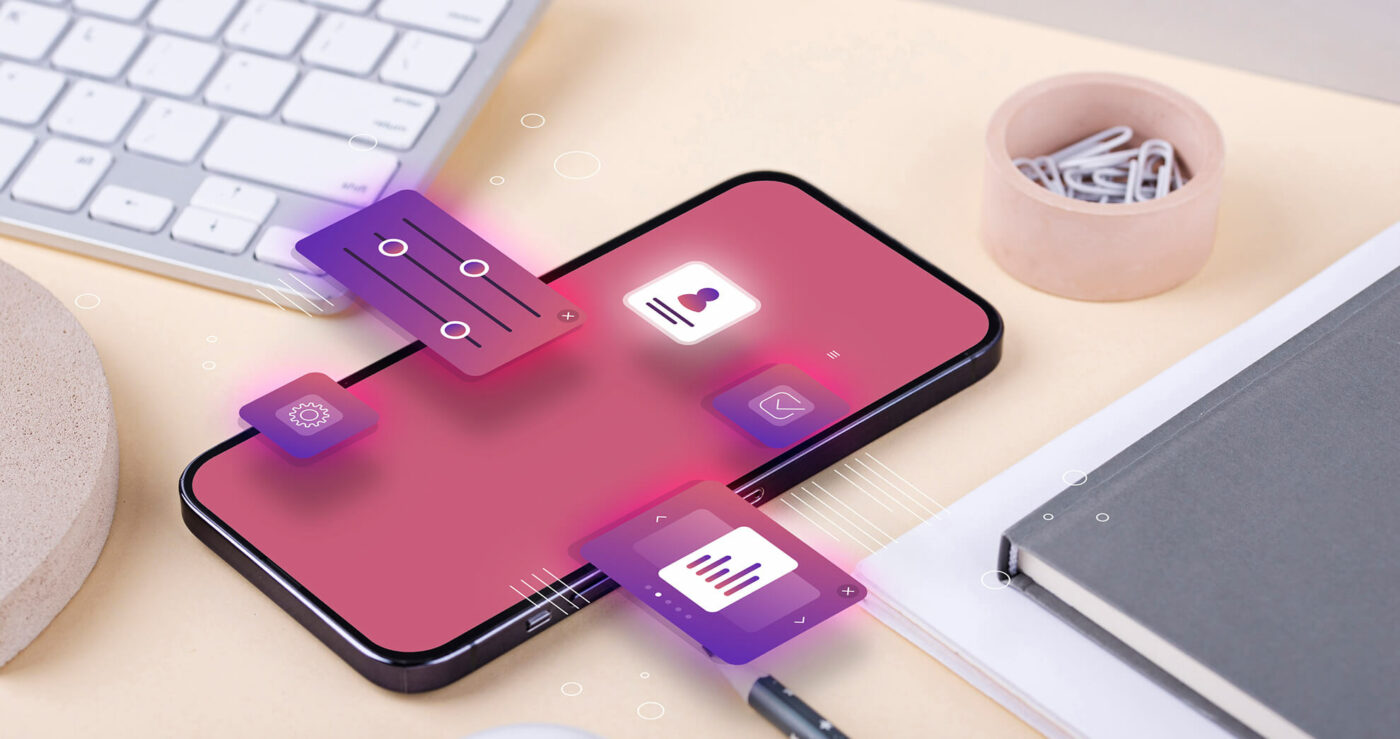
Development of immersive augmented and virtual reality experiences with a commercial goal: product try-ons and visualizers, install-free WebAR, VR training, and interactive applications for brand and retail.

150 porciento servicios

What we solve with AR and VR

Immersive only counts if it solves something. The cases where it does:

  • Products returned because the customer couldn’t see them in their space before buying
  • Training that’s dangerous or wildly expensive to run with real equipment
  • Large product catalogs that don’t fit in a showroom
  • Brand activations forgotten ten seconds later
  • Industrial processes hard to explain in a manual
  • AR experiences requiring an app download nobody will do

If the immersive experience doesn’t move a metric, it’s marketing spend in a headset.

150 porciento servicios

AR, VR or WebAR? When each makes sense

It depends where the person is and how much friction they’ll tolerate:

  • WebAR: when you need mass reach. Opens in the browser, nothing to install — the lowest possible friction, in exchange for less graphical power
  • Native AR (ARKit, ARCore): when you already have an app and want precision, occlusion and solid tracking
  • VR (Meta Quest and similar): when the value is in total isolation: training, simulation, risk assessment

If your experience depends on users installing an app to use it once, you’ve already lost. We almost always start with WebAR.

150 porciento servicios

What kind of solutions we deliver

  • AR product try-ons and visualizers
  • Install-free WebAR, reachable from a QR code
  • VR training and simulation
  • Interactive applications for retail and activations
  • Virtual showrooms and catalogs
  • Branded filters for social media
  • Digital twins and industrial process visualization

If the experience blends physical and digital in a real space, look at phygital too.

150 porciento servicios

How we do it

1. Defining the case
  • Which metric the experience must move: returns, training time, conversion
  • Where the person will be and on what device
  • Technology chosen by friction and reach, not by spectacle
2. Prototype
  • Early proof of concept on the real device
  • Validation that tracking and performance hold up
  • Scope adjusted with data, before producing the assets
3. Production
  • 3D asset modeling and optimization for the target device
  • Experience development and catalog integration
  • Testing with real users in real lighting and space conditions
4. Rollout and measurement
  • Publishing to web, stores or dedicated devices
  • Usage analytics inside the experience
  • Iteration based on where people drop off

Frequently asked questions

How much does an augmented reality experience cost?


A focused WebAR experience starts at 6,000 USD. A VR training simulator or a try-on with a full catalog usually runs between 20,000 and 80,000 USD depending on the number of 3D assets and integrations.

Does it require downloading an app?


Not necessarily. With WebAR the experience opens straight in the browser from a QR code or link, nothing to install. That’s what we recommend when you want reach; a native app is justified when you need precision or recurring use.

What's AR/VR good for in a company that isn't in entertainment?


The highest-return cases are the unglamorous ones: product try-ons that cut return rates, training on dangerous procedures without exposing anyone, and visualizing machinery or property that won’t fit in a showroom.

Does it work on any phone?


WebAR works on the vast majority of devices with a modern browser. Native AR needs ARKit or ARCore support, which covers almost all mid- and high-range devices. During discovery we check what your real audience uses.

How long does development take?


A focused WebAR experience takes 8 to 12 weeks. A VR simulator with several scenarios can take 4 to 8 months, and much of that time goes into producing the 3D assets.

Read our Privacy Policy to learn how we protect your data and respect your privacy.